
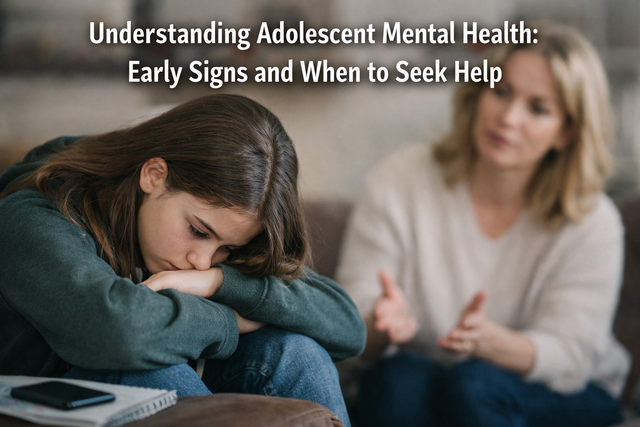
Understanding Adolescent Mental Health: Early Signs and When to Seek Help
Key Takeaways
- Early recognition of mental health warning signs in teenagers is crucial for timely intervention.
- Creating a supportive, open environment allows adolescents to share and cope effectively.
- Know when professional help is necessary to avoid more serious complications.
Adolescence is a time of significant changes, both physical and emotional. During these years, teens may experience strong moods, shifting interests, and struggles with identity. While some ups and downs are normal, there are times when changes in behavior, mood, or daily habits may signal a deeper mental health concern. Recognizing these early signs is important because getting support at the right time can prevent challenges from becoming more serious. Simple changes, like withdrawing from friends, sudden irritability, or difficulty sleeping, can indicate that a teen is struggling and may need guidance or professional help.
Parents, caregivers, and educators play a key role in noticing these warning signs and helping teens find the support they need. If concerns persist or worsen, reaching out to qualified professionals is important. Organizations like New Harbor Behavioral Healthcare provide resources and guidance for families navigating adolescent mental health. Early attention and intervention can help teens develop coping skills, improve their well-being, and maintain healthy relationships, setting the foundation for a more stable and balanced transition into adulthood.
Table of Content
Common Mental Health Challenges in Adolescents
Today’s teens deal with a diverse array of stressors, from striving for academic success to navigating complex friendships and social media platforms that are with them nearly every waking moment. This constant stimulation can amplify anxiety, stress, and depression. Recent data highlight that nearly one-third of American teenagers struggle with anxiety disorders, making them the most prevalent mental health issue among this age group. The growing presence of screens, online interactions, and academic competitiveness intensifies these emotional demands, sometimes pushing teens to the limits of their resilience.
Teenagers are exposed to social media trends and online pressures nearly 24/7. This environment can worsen feelings of inadequacy, exclusion, or overwhelming expectations. The Centers for Disease Control and Prevention (CDC) has noted a rise in depressive symptoms and high-risk behaviors among adolescents in recent years. It is crucial for parents and communities to understand these evolving challenges and create spaces where young people feel safe and supported.
Recognizing Early Warning Signs
Timely identification of mental health concerns starts with being alert to behavioral, emotional, and physical changes. Teens may not always verbalize their distress; instead, they may express it through changes in behavior, mood, or physical complaints. The most common early warning signs include:
- Behavioral Changes: Withdrawing from family gatherings, avoiding friends, and displaying unusually intense mood swings or irritability.
- Academic Decline: Sudden drops in performance, skipping classes, and losing interest in assignments or previously enjoyed school activities.
- Loss of Interest: A lack of enthusiasm for hobbies, sports, or creative pursuits that previously engaged them.
- Physical Symptoms: Reports of frequent headaches, stomach aches, or ongoing fatigue that lack a clear medical explanation.
Everyone’s experience is unique. However, when these symptoms persist, worsen, or interfere with daily life, they signal the need for closer attention and possible intervention. Validating these observations can help open doors to more in-depth conversations and support.
The Role of Open Communication
Building trust through open communication is essential. Adolescents often need reassurance that their feelings are valid and that they are not alone in their struggles. Regular check-ins, honest dialogue, and being available without distractions demonstrate genuine care. Create an environment where teens feel they can express themselves without fear of criticism or dismissal. Showing empathy and listening more than speaking can help teens feel truly understood and supported.
Encouraging Healthy Coping Mechanisms
Teens benefit from learning and practicing positive coping skills that can carry them through emotionally turbulent times. Parents and caregivers can encourage:
- Engaging in physical exercise, which is shown to reduce depressive symptoms and support emotional balance.
- Practicing mindfulness exercises, such as meditation or deep breathing, can help calm the mind.
- Exploring creative outlets like drawing, writing, or playing music as forms of self-expression.
- Developing consistent sleep routines to replenish both body and mind.
Supporting these self-care habits can help teenagers develop a toolkit for managing current and future stressors in healthier ways.
When to Seek Professional Help
If warning signs persist or worsen, it is time to seek specialized support. Consulting with a pediatrician, school counselor, or mental health professional can provide tailored strategies and therapeutic options for struggling teens. Early intervention can prevent escalation to more severe concerns, such as substance misuse or self-harming behaviors. Never wait until symptoms become unmanageable; a proactive approach leads to the best outcomes and helps young people regain their footing.
Addressing the Stigma Around Mental Health
Despite progress, stigma about mental health can still deter families from seeking care. Education for both adolescents and their communities is critical. Normalizing mental health conversations reduces shame and encourages timely action. Schools, faith groups, and community programs can play a supportive role by fostering acceptance and understanding.
Conclusion
Safeguarding adolescent mental health requires awareness, communication, and prompt access to care. By watching for early signs, promoting open dialogue, and connecting with appropriate resources when needed, families and communities can give young people the tools they need to thrive. With these supports in place, even the most challenging adolescent years can lead to a future defined by resilience and well-being.