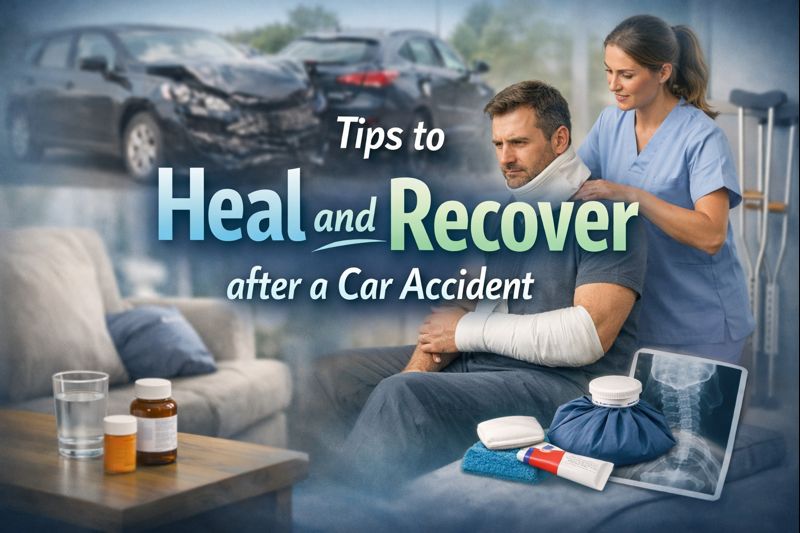
7 Tips to Heal and Recover after a Car Accident
Car accidents can be life-altering events that leave lasting impacts on your physical health, emotional wellbeing, and daily routine.
“According to the National Highway Traffic Safety Administration, estimates for 2024 project over 39,000 traffic fatalities in the United States alone. This staggering figure does not even account for the millions of non-fatal injuries,” saysMorris Injury Law, a Las Vegas personal injury lawyer.
Whether you’ve just experienced a minor fender bender or a more serious collision, the recovery process requires patience, dedication, and a comprehensive approach to healing.
The journey to full recovery encompasses much more than just addressing visible injuries. It involves taking care of your mental health, following medical advice diligently, and making lifestyle adjustments that support your body’s natural healing processes. Understanding the right steps to take can make a significant difference in how quickly and completely you recover.
Table of Content
Seek Immediate Medical Attention
Even if you feel fine immediately after an accident, seeking medical attention should be your top priority. Adrenaline can mask pain and symptoms, making injuries seem less severe than they actually are. Some conditions, such as internal bleeding or traumatic brain injuries, may not show symptoms until hours or even days later.
A thorough medical examination creates a documented record of your injuries, which is crucial for both your health and any potential legal claims. Your doctor can identify issues you might not be aware of and create a treatment plan tailored to your specific needs. Don’t delay this step, as postponing medical care can worsen your condition and complicate your recovery.
Follow Your Treatment Plan Religiously
Once your healthcare provider develops a treatment plan, following it consistently is essential for optimal recovery. This may include taking prescribed medications, attending physical therapy sessions, or maintaining activity restrictions. Skipping appointments or ignoring medical advice can set back your progress significantly.
Keep detailed records of all medical visits, treatments received, and any changes in your symptoms. This documentation helps your healthcare team adjust your treatment as needed and provides valuable information for tracking your recovery progress. If you’re struggling to follow your plan due to cost, transportation, or other barriers, communicate these challenges with your medical team so they can help find solutions.
Prioritize Rest and Sleep
Your body does its most intensive healing work while you sleep, making adequate rest crucial for recovery after a car accident. Aim for seven to nine hours of quality sleep each night, and don’t hesitate to take naps during the day if your body needs them. Creating a comfortable sleep environment with proper support for injured areas can improve sleep quality.
Listen to your body’s signals and avoid pushing yourself too hard too soon. While staying active is important, overexertion can delay healing and potentially cause new injuries. Find a balance between rest and gentle movement that allows your body to recover without becoming too sedentary. Remember that healing takes time, and giving yourself permission to rest is not laziness but necessary self-care.
Manage Pain Effectively
Pain management is a critical component of accident recovery that affects both your physical comfort and mental wellbeing. Work closely with your healthcare provider to develop a pain management strategy that may include medications, ice and heat therapy, or alternative treatments like acupuncture or massage therapy.
Be honest about your pain levels with your medical team, as undertreated pain can lead to complications including chronic pain conditions and depression. If prescribed pain medications aren’t providing adequate relief or are causing unwanted side effects, speak up so adjustments can be made. Non-pharmaceutical approaches such as meditation, gentle stretching, and breathing exercises can also complement traditional pain management methods.
Address Your Mental Health
The psychological impact of a car accident often receives less attention than physical injuries, yet it can be equally debilitating. Many accident survivors experience anxiety, depression, post-traumatic stress disorder, or fear of driving. These emotional responses are normal and deserve professional attention.
Consider speaking with a mental health professional who specializes in trauma or accident recovery. Therapy can provide valuable tools for processing the experience and developing coping strategies for ongoing challenges. Support groups, whether in-person or online, can also connect you with others who understand what you’re going through and offer peer support during recovery.
Don’t dismiss emotional symptoms or try to tough them out alone. Mental health significantly impacts physical recovery, and addressing psychological needs alongside physical ones leads to better overall outcomes. Be patient with yourself as you work through the emotional aftermath of your accident.
Stay Active Within Your Limits
While rest is important, appropriate physical activity plays a vital role in recovery by maintaining muscle strength, flexibility, and circulation. Work with your healthcare provider or physical therapist to understand which movements are safe and beneficial for your specific injuries. Starting with gentle activities like short walks can gradually rebuild your strength and endurance.
Physical therapy exercises designed for your injuries help restore function and prevent long-term complications like chronic pain or limited mobility. Consistency matters more than intensity, so commit to doing your prescribed exercises regularly even when slow progress feels. As you improve, your activity level can gradually increase under professional guidance.
Avoid the temptation to return to your pre-accident activity level too quickly, as this can result in setbacks or reinjury. Trust the recovery timeline your medical team provides and celebrate small victories along the way. Every step forward, no matter how minor it seems, represents meaningful progress toward full recovery.
Maintain Proper Nutrition and Hydration
What you eat and drink directly impacts your body’s ability to heal from accident injuries. A diet rich in protein, vitamins, minerals, and antioxidants provides the building blocks your body needs for tissue repair and immune function. Focus on whole foods including lean proteins, colorful fruits and vegetables, whole grains, and healthy fats.
Staying well-hydrated is equally important, as water supports every cellular function including healing processes. Aim for at least eight glasses of water daily, more if you’re taking medications that cause dehydration or if you’re physically active. Limit alcohol consumption, as it can interfere with healing and interact negatively with pain medications.
If you’re unsure about your nutritional needs during recovery, consider consulting with a registered dietitian who can create a personalized eating plan. Certain supplements may also support healing, but always consult your healthcare provider before adding supplements to ensure they won’t interact with your medications or medical conditions.
Moving Forward
Recovering from a car accident is rarely a linear process. You may experience good days and setbacks, progress and frustration. Being kind to yourself throughout this journey and maintaining realistic expectations about recovery timelines will help you stay motivated and positive.
Remember that everyone’s recovery is unique, and comparing your progress to others can be discouraging and unhelpful. Focus on your own healing journey, celebrate your improvements, and don’t hesitate to reach out for help when you need it. With patience, proper care, and the right support system, you can work toward regaining your health and returning to the activities you enjoy.