
Odor Control 101: Fresh‑Smelling Homes with Pets
Sharing your home with animals should add joy, not lingering smells. The secret to a fresh‑smelling space is not a stronger candle. It is a simple, repeatable routine that tackles odor at the source before it settles into fabrics and air. Build a plan you can keep, then adjust it to your pet’s coat type, activity level, and the season.
Table of Content
Daily Habits That Cut Odor at The Source
Start where odors begin. Wipe paws after walks so wet grass, road grime, and yard smells do not migrate onto rugs and sofas. A quick towel rub along the belly and chest helps, especially on rainy days. Keep a small caddy by the door with microfiber cloths and a gentle, pet‑safe wipe, and make it part of the arrival routine.
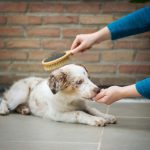
Give your pet a 60‑second brush‑out in the evening. Removing loose fur before it lands on textiles means fewer trapped smells later. For short‑coated breeds, a rubber curry or grooming glove lifts dander efficiently. For longer coats, a slicker brush prevents tangles that can trap moisture and odor. Finish the night by emptying food bowls, rinsing them, and topping off clean water. Old kibble dust and biofilm do not smell good on a warm counter.
Weekly Refresh for The Places Odors Love to Hide
Fabrics, floors, and air all play a role. Wash bedding, throws, and any favorite blankets every week in hot water if the fabric allows. If your pet has a crate or covered bed, wipe the shell when you strip the liner. Vacuum high‑traffic areas twice a week with slow passes and use the crevice tool along baseboards where hair and dust gather. A once‑weekly mop with a mild, pet‑safe cleaner removes residue that can hold odors.
Air matters too. Open windows for ten minutes when weather cooperates to trade indoor air for outdoor air. If you use an air purifier, choose one with a charcoal layer to help capture volatile odors. Place it where your pet spends time, not in an unused corner. For litter boxes or potty pads, scoop at least daily, and replace the entire liner or media on a set schedule that you can keep even on busy weeks.
Coat Care That Supports a Fresh Home
Healthy coats smell better. Brushing distributes natural oils, reduces shedding, and brings hidden skin issues to the surface where you can spot them early. Choose a bath cadence that matches your pet’s lifestyle and skin, then keep the drying step thorough. Damp fur smells, so add a quick towel‑and‑fan routine after baths or swims to get past the humid stage. If your dog enjoys rolling in the yard, reserve one weekly bath for the wettest months, and rely on daily wipe‑downs the rest of the time.
Home care goes further when you pair it with professional support. Full‑service salons offer luxury baths, brushing, coat trims, nail care, and gentle ear cleansing, and many schedule one‑on‑one appointments with an emphasis on safety, cleanliness, and low‑stress handling. If you live nearby and want to outsource the deep clean, consider booking dog grooming in Concord, OH as part of your monthly odor‑control plan. Local providers list service menus that include full grooms, mini grooms, and stand‑alone baths, along with add‑ons such as de‑shedding, blueberry facials, nail trims and grinding, teeth brushing, and brush‑outs, all delivered in a calm, safety‑first setting that aims to reduce wait times and keep pets comfortable.
Surfaces, Textiles, And Air: A Practical Cleaning Sequence
Odor control is easier when you clean in the right order. Work from high to low and dry to wet. First, shake out throws outside and run a lint roller over sofa cushions and pet‑favorite chairs. Next, vacuum upholstery with a fabric brush attachment, then move to floors. This order keeps falling fur and dust from re‑contaminating freshly cleaned areas.
Once dry debris is up, spot treat with an enzyme cleaner where accidents happened. Enzymes break down organic residues so smells do not bounce back a day later. On hard floors, a damp microfiber mop finishes the job, and on carpets, use a light, even application of cleaner followed by blotting rather than scrubbing, which can push residue deeper. End with ventilation or a quick run of the air purifier to clear the space you just stirred up.
Food, Health, And Small Fixes with Big Impact
What goes in can influence what you smell. If your pet’s breath is the main source of odor, add toothbrushing to your weekly plan and ask your veterinarian about dental care. For skin and coat odors, check that your diet choice supports skin health and ask whether supplements are appropriate. Pets with allergies or recurring ear issues can produce stronger smells, so a timely vet visit often helps more than a new room spray.
A few other small fixes punch above their weight. Use washable, tight‑weave covers on beds and sofas that you can strip fast. Keep a dedicated laundry bin for pet textiles and run those loads separately so hair does not travel to your clothes. In wet seasons, add a drying mat near the door to capture moisture and mud before it reaches the rug. If your pet rides in the car often, keep the cargo area covered and clean that cover on the same day you do bedding so the vehicle does not re‑seed the house with smells.
Build A Schedule You Will Actually Keep
The best routine is the one that fits your life. Start with three anchors that repeat each week. For example, Sunday bedding wash, midweek vacuum plus mop, and a Friday brush‑out with quick ear and paw checks. Add a monthly deep clean where you launder crate covers, wipe baseboards, and wash toys. Drop your grooming cadence into the same calendar so you do not rely on memory. If a monthly bath is realistic, book it. If every six weeks is better, set that and let your at‑home routine fill the gap.
Make the plan visible. A small checklist on the fridge is enough. Share tasks with family and assign by day, not by person, so anyone can step in. Reward yourself for consistency. A fresh‑smelling home is not about perfection. It is about dozens of small wins that add up.
Conclusion
Odor control with pets is a system, not a single product. Focus on the habits that keep smells from settling in. Wipe paws and bellies, brush briefly each day, wash textiles weekly, clean surfaces in a smart sequence, and ventilate. Pair home care with the right professional help and talk to your vet when health may be involved. With a routine that you can maintain through busy weeks and shifting seasons, a fresh‑smelling home becomes the default, not the exception.