
What to Do After a Drunk Driving Accident to Protect Your Legal Claim
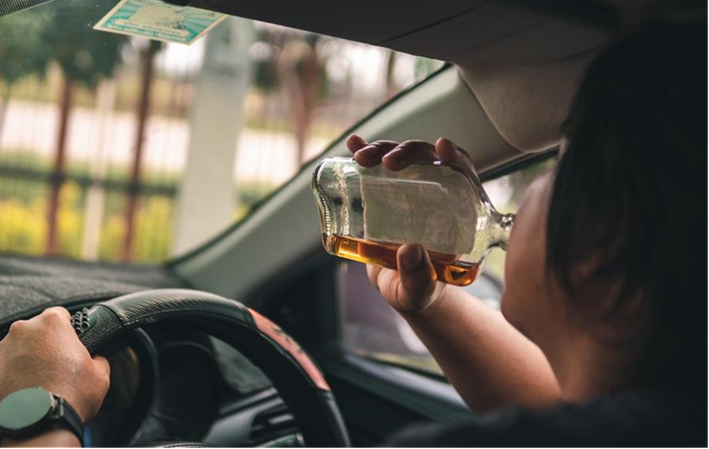
Drunk driving crashes carry a different kind of weight. The damage is rarely just about twisted metal or a broken bumper. A driver who chooses to get behind the wheel after drinking creates a situation where serious injuries and complicated legal problems often follow.
The steps taken right after the accident can quietly shape the entire legal claim that comes later. Medical records, police reports, and the way evidence is handled can all influence the outcome.
Guidance from a DUI accident attorney often becomes part of the discussion early on. For anyone facing this kind of crash, knowing what actions matter most can make the road ahead clearer.
Table of Content
Check for Injuries and Seek Medical Attention
Health and safety always come first after any accident, especially one involving a suspected drunk driver. A crash caused by impaired driving can be severe because reaction times are slower and judgment is poor. Even if injuries do not appear serious at first, medical attention should still be taken seriously.
Some injuries take time to show symptoms. Internal injuries, soft tissue damage, and head trauma may not be obvious right away. A medical evaluation ensures that hidden injuries are identified and treated before they become worse. Doctors also document injuries, which becomes very important if a legal claim is filed later.
Medical records create a clear connection between the accident and the injuries. Insurance companies and courts often rely on these records to understand the seriousness of the harm caused.
Contact Law Enforcement and Report the Accident
A police report plays an important role after a drunk driving crash. Law enforcement officers arrive at the scene, examine the vehicles, and record details about what happened. They speak with drivers, witnesses, and sometimes nearby residents who may have seen the crash occur.
Officers may also evaluate whether a driver appears impaired. They may conduct field sobriety tests or use other methods to determine whether alcohol or drugs played a role in the accident. Their findings become part of the official report, which often carries significant weight during insurance negotiations or legal proceedings.
Gather Evidence at the Scene
Strong evidence often begins at the accident scene itself. If it is safe to do so, collecting information right away can help support a legal claim later. Evidence gathered immediately after a crash tends to be more accurate because conditions have not yet changed.
Important evidence may include:
- Photos of vehicle damage from different angles.
- Pictures of road conditions, traffic signals, and skid marks.
- Contact information from witnesses who saw the crash.
- Insurance and driver information from everyone involved.
- Notes describing what was observed right after the accident.
Clear photos and detailed notes help recreate the scene of the accident. Witness statements can also add valuable perspective, especially if they noticed signs of intoxication. Evidence collected early helps build a clearer picture of how the crash happened and who may be responsible.
Legal professionals sometimes rely on this information while reviewing a case. Even discussions about understanding the basics of DUI charges can become easier when strong evidence supports the claim that impairment played a role in the crash.
Avoid Admitting Fault or Discussing the Accident
Accidents often create confusion and emotional reactions. Drivers may feel pressure to explain what happened right away. However, speaking too quickly or making assumptions can create problems later in the legal process.
Responsibility for a crash should always be determined through investigation. Police officers, insurance companies, and legal professionals review evidence before deciding who is at fault. Apologizing or admitting blame at the scene may unintentionally create a statement that insurers later use to reduce compensation.
The safest approach is to exchange necessary information with the other driver and cooperate with law enforcement. Basic facts can be shared without speculating about what caused the crash.
Speak With a Drunk Driving Accident Lawyer
Drunk driving cases often involve more than a simple insurance claim. The presence of alcohol or drugs can affect liability, evidence requirements, and the type of compensation that may be available. Legal guidance can help clarify how these factors interact.
An experienced lawyer reviews accident reports, medical records, and witness statements to understand what happened. They also communicate with insurance companies and make sure that the victim’s side of the story is presented accurately. Calculating damages becomes an important part of the process, especially when medical costs and lost income are involved.
Closing Thoughts
Drunk driving accidents create serious legal and financial consequences. Protecting a claim after such a crash depends on careful actions taken from the beginning. Medical treatment, police reports, and clear evidence often form the foundation of a strong case.
Avoiding unnecessary statements, keeping records organized and seeking help from a DUI accident attorney can also prevent complications later. Every detail collected after the accident contributes to a clearer understanding of what happened and how responsibility should be assigned.