
The Science Behind Clean Refrigerator Water Filters
Key Takeaways
- Refrigerator water filters use activated carbon to reduce contaminants such as chlorine and lead effectively.
- Routine maintenance and scheduled replacement are important for delivering maximum filtration performance.
- Limitations exist, and not all risky substances are eliminated by refrigerator filters alone.
Clean drinking water is essential for every household, and advances in filtration technology have made it easier than ever to enjoy fresh, purified water directly from the refrigerator. Modern refrigerator water filters help reduce contaminants, improve clarity, and enhance overall taste. For households seeking dependable performance and quality replacements, it’s hard to beat going directly to Samsung Parts, which offers a comprehensive selection designed for compatibility and reliability.
Refrigerator water filters use a combination of physical and chemical filtration processes to capture or neutralize unwanted particles. By understanding how these systems function and properly maintaining them, families can enjoy long-term access to cleaner, better-tasting water with minimal effort.
Consumers need to recognize that refrigerator filters offer an accessible solution for day-to-day hydration and can contribute to a healthier lifestyle. With contaminants in local water supplies posing periodic concerns, using these filters helps deliver peace of mind along with great-tasting water. Proper use and timely replacement can maintain consistently high water quality throughout the household.
Households interested in water filtration should review the manufacturer’s specifications to ensure compatibility and the highest purification standards based on their water source. Developing an understanding of the specifics of how these filters function supports informed decisions in protecting family health.
How Do Refrigerator Water Filters Work?
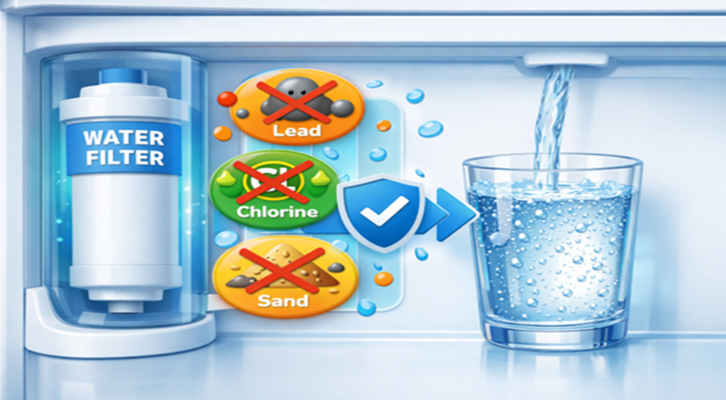
Refrigerator water filters use a combination of mechanical and chemical processes to purify water. When tap water passes through the filter, it first encounters a particle screen that blocks larger particles, such as sand and rust. Subsequently, micro-filtration traps smaller impurities, and finally, activated carbon takes center stage by absorbing microscopic pollutants. This multi-stage approach ensures that water not only looks clear but also tastes clean and fresh.
Activated carbon is the filter’s most effective component because of its large surface area, which provides countless tiny pores for capturing contaminants. Many manufacturers select coconut shell-based carbon due to its renewable nature and proven safety. This technology is particularly adept at removing substances that affect taste and odor, making every glass from your refrigerator more refreshing. For a comprehensive breakdown of the process, this guide from The New York Times details how activated carbon filtration works in various household applications.
Common Contaminants Removed
Efficient as they are, refrigerator water filters are designed to target a list of widespread waterborne impurities. Chief among these are:
- Chlorine, which municipal water suppliers add for disinfection, can result in an unpleasant taste or smell.
- Lead is a harmful element that may seep into the water from aging pipes.
- Mercury is another heavy metal that is dangerous even at very low exposure levels.
- Pesticides and pharmaceuticals, which make their way into water bodies through agricultural runoff and improper disposal.
Consistent use of refrigerator filters can substantially reduce exposure to these common risks, although users should be aware that these devices generally do not target every possible contaminant. More information about filtered contaminant lists is discussed in this Washington Post investigation.
Maintenance and Replacement
Simply installing a filter is not enough; preserving drinking water safety hinges on regular care. Most manufacturers recommend replacing filters every 6 months or after approximately 200-300 gallons of water have passed through. Telltale signs that a replacement is due include a noticeable reduction in water flow, an undesirable taste or odor, or water that appears cloudy or tinted. Delay in replacement can cause a filter to become saturated and less effective, potentially fostering bacterial growth and reintroducing impurities into your water supply.
Sticking to a replacement schedule is one of the best ways a household can ensure reliable filtration. Consulting the refrigerator manual is a smart move, as individual models may have unique guidelines for filter installation and change intervals.
Limitations of Refrigerator Water Filters
Although refrigerator filters excel at removing a wide range of contaminants, they have certain limitations. These systems generally do not target microorganisms such as bacteria and viruses, nor do they remove fluoride, many microplastics, or certain volatile organic compounds. For families with specific water-purity concerns or those living in areas with compromised water sources, it may be prudent to supplement with an advanced filtration system, such as reverse osmosis.
Recognizing the boundaries of your refrigerator’s water filter helps maintain realistic expectations and informs decisions about additional filtration needs based on local water reports.
Conclusion
Investing in a refrigerator water filter is a step toward improving everyday health by increasing water’s taste and clarity while reducing many common contaminants. Knowledge of the science behind the process, together with regular filter changes and awareness of the system’s capabilities, ensures your family enjoys consistently clean drinking water. Informed decisions, combined with responsible maintenance, form the foundation of a safer, healthier home.