Common Car Accident Scenarios and How They Typically Unfold
Roads often feel like chaotic places where anything can happen at any moment. However, most collisions aren’t actually random. They follow specific physical laws and behaviors that recur across different highways, making the resulting damage somewhat predictable for those who look closely.
Weather and lighting play massive roles in how vehicles interact during a crisis. A patch of ice or a blinding sunset can change the trajectory of a commute in seconds. Drivers often react in similar ways when faced with these environmental challenges during their daily travels.
Recognizing common car accident scenarios helps people stay alert while navigating busy city streets. When you study various car accident scenarios, it’s possible to identify the split second where things went wrong. This clarity is vital for anyone trying to piece together a sudden crash.
Rear-End and Intersection Collisions
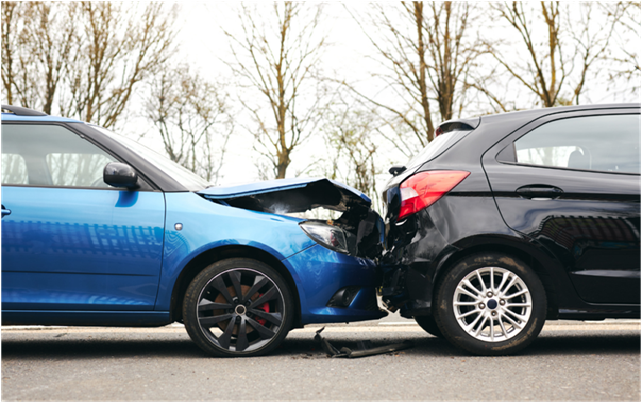
Rear-end collisions are the most frequent type of crash on the road today. They usually happen because a driver isn’t paying enough attention to the car ahead. When that lead vehicle stops suddenly, there simply isn’t enough time or space to react safely.
Intersections are equally dangerous because they force different paths to cross. A driver might try to beat a yellow light or misjudge the speed of an oncoming truck. These side-impact crashes often result in significant frame damage because the doors lack heavy protection.
Both scenarios highlight how human error combines with momentum. Whether it’s a distracted glance at a phone or a simple miscalculation of distance, these crashes happen in the blink of an eye. Most people don’t even realize they’re in danger until the actual impact.
Multi-Vehicle and Chain-Reaction Accidents
Chain reactions often start with a single bump that ripples through a line of cars. On crowded freeways, drivers follow each other so closely that one person’s mistake becomes everyone’s problem. There’s rarely any room to swerve out of the way of trouble.
Heavy traffic flow makes these situations much worse. If the first car slams on its brakes, the second car might stop in time, but the third or fourth car often won’t. This creates a pileup where multiple parties are left dealing with crumpled metal.
Visibility issues like heavy fog or driving rain frequently trigger these massive events. When drivers can’t see more than a few feet ahead, they can’t anticipate the stopped traffic. These accidents often involve complex liability questions because so many different vehicles are involved.
Single-Vehicle and Loss-of-Control Accidents
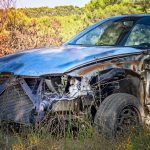
Not every crash involves a second driver. Sometimes, the environment or a mechanical failure causes a vehicle to leave the pavement entirely. A tire blowout or a broken steering component can turn a steady drive into a frightening ride toward a ditch or tree.
Speeding is a major factor in these types of incidents. When a car enters a curve too fast, the tires lose their grip on the asphalt. Once traction is gone, the driver becomes a passenger as physics takes over the path of the vehicle.
Hydroplaning on a wet road is another common way people lose control. Water builds up under the tires, lifting them off the ground and making steering impossible. These moments feel helpless because the car no longer responds to any input from the steering wheel.
How Injury and Damage Patterns Differ by Scenario
The way a body moves during a crash depends on where the force originates. In a rear-end hit, the head usually snaps backward and then forward. This movement strains the neck and back, often leading to pain that doesn’t appear until the next morning.
Side-impact collisions create a different set of risks for everyone inside. Since there’s very little space between the door and the passenger, the impact force is transferred almost directly. This often results in broken bones or internal injuries that require immediate medical attention.
Rollovers are perhaps the most violent of all scenarios. As the car flips, occupants are tossed in multiple directions, increasing the chance of hitting the roof or windows. Modern safety features like side-curtain airbags are specifically designed to help mitigate these very specific types of injuries.
Conclusion
While every crash is a jarring experience, they usually fit into these well-defined categories. Recognizing the mechanics of an accident helps victims explain the situation clearly to authorities. It removes some of the mystery from an event that often feels completely surreal and confusing.
Documenting the scene with these patterns in mind can make a huge difference later. Knowing that a rear-end hit suggests a specific set of facts helps in gathering the right evidence. It allows for a more logical approach to dealing with the messy aftermath.
Safety on the road starts with being aware of how these events unfold. By keeping a safe distance and staying alert at intersections, many of these problems can be avoided. Staying informed is the best way to protect yourself and your passengers every day.