
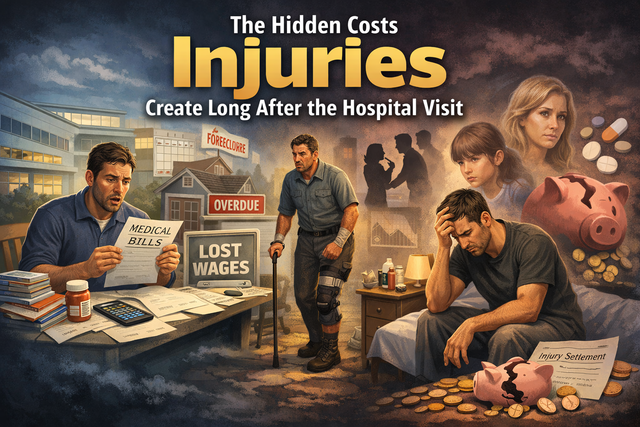
The Hidden Costs Injuries Create Long After the Hospital Visit
The immediate aftermath of an accident is defined by activity in the emergency room. Doctors check for broken bones and internal damage while nurses manage the sudden pain. Most people assume the worst part is over once they are sent home to rest.
However, the real struggle often begins when the hospital lights fade. Routine life tries to resume, but it is frequently interrupted by lingering aches and the realization that things aren’t back to normal. The true weight of the event manifests in quiet, unexpected ways.
Analyzing the total impact involves looking far into the future. It requires a dive into the ways a body and budget struggle to realign after trauma. Many families eventually find that managing long-term injury costs becomes a full-time job that requires constant and focused attention.
Table of Content
Ongoing Medical and Therapy Expenses
Leaving the hospital is the start of a long journey through the medical system. Follow-up appointments become a regular part of the schedule, replacing time once spent on hobbies. These visits are essential for ensuring the healing process stays on a healthy track.
Physical therapy is another significant expense that can stretch on for months. Rebuilding strength and mobility requires professional guidance and specialized equipment that is rarely cheap. Each session adds another layer to the mounting bills that must be managed by the whole family.
Prescription medications and medical devices like braces create a steady drain on a bank account. While each cost might seem small, the cumulative effect over several years is staggering. These ongoing needs represent a permanent shift in how a person allocates their financial resources every day.
Lost Time, Energy, and Productivity
Money is not the only thing that disappears after a serious injury occurs. The time spent in therapy sessions is time that can never be recovered for other uses. This loss of time affects everything from career growth to personal relaxation.
Energy levels often plummet as the body works hard to repair damaged tissue and cope with discomfort. A person might find they can no longer work a full eight-hour shift without feeling completely exhausted. This reduced capacity leads to a decline in their professional output.
Productivity at home suffers when chores like cooking become physically impossible without help. This forces families to hire outside services or rely on neighbors to keep things running. These hidden drains on efficiency add up to a significant and expensive lifestyle change.
Lifestyle and Daily Living Adjustments
Living in a home not designed for a limitation creates a new set of challenges and costs. Simple tasks require expensive modifications or specialized tools. These changes are necessary for maintaining a sense of independence and safety every single day.
Transportation needs change when a person can no longer drive their own vehicle safely. You might find yourself relying on ride-sharing services that cost much more than a tank of gas. These daily expenses are overlooked when people talk about the total impact.
Even the way a person shops for groceries or manages their household must adapt to new energy limits. Pre-made meals become a necessity rather than a luxury for those who can no longer stand. These adjustments are a permanent and costly part of the new normal.
Emotional and Mental Health Consequences
The mental weight of a lingering injury is often the most difficult burden to carry because it is invisible to others. Survivors frequently struggle with a loss of identity as they realize they can no longer do the things they once loved. This emotional shift creates a sense of mourning.
Chronic pain is a trigger for anxiety and depression, making it hard to maintain a positive outlook on the future. The constant stress of managing bills and appointments leaves very little room for emotional rest. It is a cycle of exhaustion that can affect every single interaction.
Investing in mental health support is a vital but often very expensive part of the overall recovery process. Therapy provides the tools needed to navigate the complex feelings that arise during a difficult journey. These costs are a necessary investment in reclaiming a sense of peace.
Conclusion
A serious injury is a life-altering event that leaves a trail of consequences stretching far into the distant future. It is rarely a single moment in time that can be fixed with a few stitches. The ripple effects touch every corner of a person’s existence today.
Recognizing the true scope of these burdens is the first step toward seeking the comprehensive help that is actually needed. It ensures that expectations are realistic and that any legal settlements account for the years of struggle. Proper planning provides a foundation for a stable life.
While the path is long and expensive, focusing on a holistic recovery is the best way to move forward. Balancing physical healing with financial support creates a clearer road toward a healthy normal. Being informed about the quiet costs allows families to protect their futures.