How to Choose the Best Serviced Office Rental for Your Team
An office shapes more than your daily routine. It affects how your team talks, works together, and handles tasks throughout the day. The layout of a workspace can influence focus, creativity, and even the way clients view your business. Because of that, choosing the right office deserves careful thought.
Across business cities in Australia, many companies now rethink traditional office arrangements. Teams no longer look only for square footage. They also look for flexibility, comfort, and environments that support changing work styles.
This blog explains how you can evaluate different office options and select a workspace that fits your team’s habits, goals, and future growth.
Table of Content
- Factors to Consider When Choosing the Right Office for Your Team
- Understand Your Team’s Working Style
- Evaluate Office Layout and Workspace Design
- Consider Accessibility and Daily Convenience
- Review Technology and Infrastructure
- Balance Cost with Long-Term Value
- Plan for Future Team Expansion
- Look at Workplace Comfort and Employee Experience
- Think About Professional Image and Client Impressions
- Assess Additional Services and Workplace Support
- Conclusion
Factors to Consider When Choosing the Right Office for Your Team
Choosing an office space goes beyond comparing rental prices or room sizes. The environment should support the way your team works each day. When a workspace matches those habits, people collaborate more easily and focus better on their responsibilities.
Several practical considerations can help you determine if a workspace truly supports your team’s needs.
Understand Your Team’s Working Style
Every team approaches work differently. Some departments rely on constant discussion, while others prefer quiet concentration. A workspace that ignores these differences may create frustration during the workday.
Start by observing how people handle their tasks. Marketing teams often brainstorm ideas together, which means they benefit from open seating arrangements. Designers and product teams may also prefer spaces where conversation flows naturally.
Evaluate Office Layout and Workspace Design
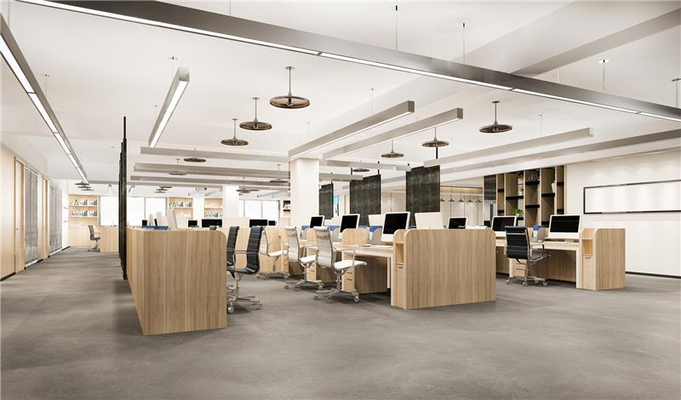
Office design influences how employees interact with each other. An open layout usually encourages communication. People can exchange ideas quickly without leaving their desks.
Private offices or small meeting rooms give employees a place to focus. Teams can step into these areas when they need quiet or when discussions involve confidential topics.
Hybrid layouts often work best. Shared areas support teamwork, while enclosed rooms provide privacy. This balance allows employees to choose the right space depending on their task.
Consider Accessibility and Daily Convenience
Location affects daily routines more than many companies expect. A convenient office helps employees arrive on time and maintain steady work habits.
Nearby services also make a difference. Restaurants, cafés, and convenience stores give employees simple options for lunch or quick breaks. These small comforts improve the overall office experience.
Clients also appreciate accessible locations. When visitors can reach your office easily, meetings start smoothly and leave a positive impression.
Review Technology and Infrastructure
Modern teams depend on digital tools throughout the day. A reliable technical setup helps employees communicate, share files, and complete tasks without interruption.
Strong internet connectivity sits at the center of this environment. Video meetings, cloud platforms, and messaging tools require stable connections. When internet service fails, productivity slows down quickly.
Meeting rooms should also support technology needs. Presentation screens and video conferencing systems allow teams to collaborate with remote colleagues or clients.
Power access matters as well. Employees often use several devices during the day, including laptops, phones, and tablets. Convenient charging points keep work moving without delays.
Balance Cost with Long-Term Value
Budget always plays a role when choosing an office. Businesses must consider how much they can spend while still maintaining financial stability.
Traditional office leases often involve long commitments and additional operational costs. Companies may need to manage utilities, reception services, cleaning, and maintenance on their own.
Many organizations explore a serviced office rental when they want a simpler arrangement. This type of workspace often includes utilities, office management, and shared services in one agreement.
Plan for Future Team Expansion
Teams rarely stay the same size forever. A small startup can grow quickly once new clients arrive or projects expand. Choosing a workspace that adapts to growth helps avoid disruption later.
Look for offices that allow flexible layouts. Desks should move easily, and meeting spaces should accommodate larger groups when needed. Modular furniture and adjustable seating arrangements help create this flexibility.
Planning for growth early also prevents frequent relocations. Moving offices too often can interrupt workflows and reduce productivity.
When your workspace allows room for expansion, your team can grow without major changes to the working environment.
Look at Workplace Comfort and Employee Experience
Comfort has a direct impact on productivity. When employees feel comfortable in their environment, they concentrate better and maintain energy during long working hours.
Lighting plays an important role. Natural light often improves mood and helps people stay alert. Offices that allow sunlight into the workspace tend to feel more welcoming.
Ergonomic chairs and desks also support daily comfort. Employees spend many hours sitting while working on computers. Proper furniture reduces fatigue and helps maintain good posture.
Breakout areas add another layer of comfort. These spaces allow employees to step away from their desks for a short break or casual conversation. A brief pause often refreshes focus before returning to work.
Think About Professional Image and Client Impressions
Your office represents your brand as much as your website or marketing materials. Clients form opinions quickly when they visit your workspace.
Reception areas often provide the first impression. A clean, organized entrance signals professionalism and attention to detail.
Meeting rooms also influence client perception. Important conversations, presentations, and contract discussions often happen there. Comfortable seating, proper lighting, and professional design help these meetings run smoothly.
Assess Additional Services and Workplace Support
Some office environments provide services beyond desks and meeting rooms. These added features can simplify daily operations.
Reception teams may greet visitors, handle mail, or assist with basic administrative tasks. Shared meeting facilities reduce the need to build multiple conference rooms within your own office.
Cleaning and maintenance services also save time. When these tasks are handled by workspace providers, employees can focus fully on their responsibilities.
Professional office providers often combine workspace design with operational support. This arrangement creates a smoother working environment where daily logistics stay under control.
Conclusion
Office spaces continue to evolve as businesses adjust to new work patterns. Companies now look for environments that balance flexibility, collaboration, and comfort. The right workspace supports productivity while leaving room for growth.
When you evaluate layout, location, technology, and employee experience carefully, the office becomes a valuable part of your business strategy. Many organizations discover that a serviced office rental offers this balance. It provides professional infrastructure while allowing teams to adapt as work habits and company needs change over time.