
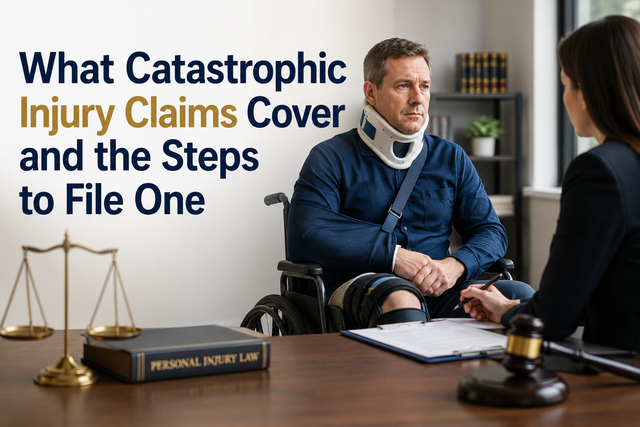
What Catastrophic Injury Claims Cover and the Steps to File One
In Fort Myers, where busy roads, active communities, and ongoing development keep daily life in motion, catastrophic accidents can change everything in a matter of seconds. When injuries are severe and life-altering, the challenges extend far beyond the initial incident, affecting long-term health, financial stability, and overall quality of life. For individuals and families facing such circumstances, understanding the legal options available is an important step toward regaining control.
Catastrophic injury claims are designed to address the full scope of these impacts, helping victims pursue the resources they need to move forward. Knowing what these claims can cover—and how to begin the process—can make a meaningful difference during an otherwise overwhelming time. With guidance from a Fort Myers catastrophic injury lawyer at Viles & Beckman, those affected can approach each step with greater clarity, ensuring their rights are protected while they focus on recovery and rebuilding their lives.
Table of Content
Defining Catastrophic Injuries
A catastrophic injury is much more serious than a few scrapes or soreness. Some common conditions include a TBI, spinal cord injury, third-degree burn, traumatic amputation, or multiple broken bones. Such injuries can even lead to wrongful death. The physical and emotional effects can throw a wrench into the daily routine and plans.
Catastrophic Injury Claims
These injury types must be compensated fully through claims. These types of claims typically start with medical costs such as surgeries, hospital stays, and/or therapy. If rehabilitation involves prescription meds, medical devices, or extra in-home care, the injured party also has the right to reimbursement. Furthermore, lost wages become a serious issue if the injury restricts the injured party from conducting their line of work.
Besides financial losses, people also claim pain and emotional distress. Emotional anguish, loss of the enjoyment of life, and relationships, all these can be compensated for. Some claims may also include adjustments to the home, like ramps or accessible bathrooms, that are needed due to new physical limitations. Each situation is different, and so we pursue damages tailored to how it has impacted their life.
Who Can File a Claim?
Anyone who is seriously injured by the fault of another person can file a claim. It can be due to road accidents, work-related situations, medical negligence, or a faulty product. The process typically begins with the injured person, but may also involve family, especially if the injury limits the person’s ability to communicate or make choices.
What to Do After the Accident
After a major injury, you should always prioritize seeking medical care as quickly as possible. The medical documentation established at this point provides vital evidence for any claim pursued later. Evidence of the collision, such as photos, witness accounts, or crash reports, helps bolster the claim. Keep track of all expenses related to the injury.
Consult an Injury Lawyer
Legal advice secures rights and reinforces the claim. An experienced representative can review the circumstances, evaluate potential compensation, and outline the next steps. Most legal professions offer free consultations, which enable injured parties or their families and loved ones to ask questions and get straight answers about their options.
File the Claim
They then prepare and file a formal claim with the responsible party, or their insurance company, once all documentation is in order. This document states what happened, the injuries sustained, and the type of compensation being sought. The claim should be accompanied by supporting documents such as medical records and proof of expense.
Negotiate and Resolve the Claim
Once the claim is submitted to the responsible party’s insurance company, the insurance company may admit fault or dispute the specifics of the claim. This is typically followed by negotiations on settlement amounts from both sides. Should a resolution not be reached, the matter may go to court, where a judge will decide the case. To give you an idea, most cases are settled before ever getting to this stage.
Life becomes physically, mentally, emotionally, and financially difficult in the aftermath of a catastrophic injury. By filing a claim, those affected may find it much easier to seek the support they need to focus on recovery and adjust to the new normal. Ultimately, no sum of money can wipe away trauma, but fair compensation can restore a sense of stability and dignity.
Conclusion
Claims for catastrophic injury provide essential support for workers needed to recover from the most serious injuries they have sustained. Knowing what to expect and having a clear understanding of every single step can reduce stress and help an injured party and their family take the necessary steps to get the treatment and care they need.