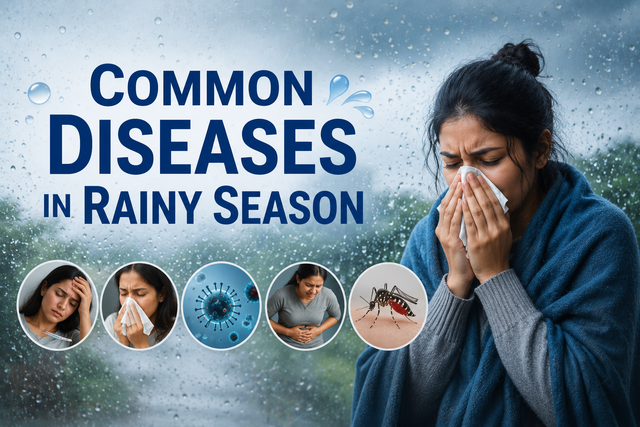
Rainy Season diseases: Top 8 Common Diseases in Rainy Season
Have you noticed how illnesses like fever, stomach infections, and mosquito-borne diseases suddenly become more common as soon as the rain arrives? While the monsoon season brings cooler weather and relief from intense summer heat, it also creates the perfect environment for infections to spread rapidly. Stagnant water, increased humidity, contaminated food, and poor sanitation significantly increase the risk of seasonal illnesses.
In this blog, we will explore the top monsoon-related illnesses, their warning signs, treatment options, and practical prevention tips to help you stay healthy throughout the season.
Table of Content
What are rainy season diseases, and why do they increase during the monsoon?
Rainy season diseases refer to infections and illnesses that become more common during the monsoon months. Increased moisture and waterlogging encourage the spread of bacteria, viruses, and mosquitoes. Additionally, contaminated drinking water and poor sanitation further increase the risk of infection.
Many common diseases during the rainy season spread through mosquito bites, unsafe food, or direct contact with infected individuals. Hence, maintaining hygiene and seeking timely medical care become extremely important during the monsoon season.
Top 8 common diseases during the rainy season
1. Dengue fever
Dengue is one of the most serious monsoon diseases and is spread by Aedes mosquitoes that breed in stagnant water.
Common symptoms include:
- High fever
- Severe body pain
- Skin rash
- Headache
- Nausea and vomiting
Severe dengue may cause bleeding complications and low platelet counts. Therefore, early medical attention at an internal medicine hospital in Pimpri Chinchwad becomes essential.
2. Malaria
Malaria is transmitted by infected Anopheles mosquitoes and remains a major seasonal health concern.
Symptoms include:
- Fever with chills
- Sweating
- Weakness
- Muscle pain
- Fatigue
Delayed treatment may affect vital organs. Therefore, prompt diagnosis and treatment are necessary.
3. Typhoid fever
Typhoid is caused by contaminated food and water during the monsoon months.
Common symptoms include:
- Persistent fever
- Abdominal pain
- Weakness
- Loss of appetite
- Constipation or diarrhoea
Maintaining food hygiene helps reduce the spread of this infection.
4. Viral fever
Viral infections increase significantly during the monsoon because humid conditions support viral transmission.
Symptoms may include:
- Fever
- Cough
- Body aches
- Fatigue
- Sore throat
Most viral fevers improve with rest and hydration. However, severe symptoms require evaluation by the best internal medicine specialists.
5. Gastroenteritis
Contaminated food and water commonly cause stomach infections during the monsoon season.
Symptoms include:
- Vomiting
- Diarrhoea
- Abdominal cramps
- Fever
- Dehydration
Children and older adults are especially vulnerable to complications caused by dehydration.
6. Leptospirosis
Leptospirosis spreads through water contaminated with the urine of infected animals.
Common symptoms include:
- Fever
- Muscle pain
- Red eyes
- Vomiting
- Jaundice in severe cases
People walking through floodwater face an increased risk of infection.
7. Chikungunya
Chikungunya is another mosquito-borne illness commonly seen during the monsoon season.
Symptoms include:
- High fever
- Severe joint pain
- Rash
- Fatigue
- Muscle aches
Joint pain may continue for several weeks in some patients.
8. Respiratory infections
Humidity and sudden temperature changes increase the risk of respiratory infections during the monsoon months.
Common conditions include:
- Common cold
- Flu
- Bronchitis
- Asthma flare-ups
Patients with chronic lung disease should remain especially cautious during the rainy season.
Symptoms that should never be ignored
While many rainy season diseases begin with mild symptoms, some may have warning signs that require urgent medical attention.
Seek immediate care if you experience:
- Persistent high fever
- Breathing difficulty
- Severe dehydration
- Chest pain
- Confusion or fainting
- Blood in vomit or stool
- Continuous vomiting
Early medical evaluation helps prevent severe complications and supports faster recovery.
Treatment options for common rainy season diseases
Treatment depends on the type and severity of the infection. Therefore, patients should avoid self-medication and seek professional medical advice.
Common treatment approaches include:
- Antibiotics for bacterial infections
- Supportive care for viral infections
- Intravenous fluids for dehydration
- Fever management medications
- Rest and nutritional support
- Hospitalization in severe cases
Additionally, early diagnosis improves treatment outcomes and reduces the risk of complications.
Prevention tips to stay healthy during the monsoon
The following preventive measures can significantly reduce the risk of common diseases during the rainy season.
Helpful prevention strategies include:
- Drink clean and filtered water
- Avoid roadside or unhygienic food
- Use mosquito repellents and mosquito nets
- Prevent water stagnation around homes
- Wash your hands regularly
- Wear protective clothing during the rain
- Maintain strong immunity with balanced nutrition
Moreover, regular health monitoring and proper hygiene practices help minimise infection risk during monsoon months.
Conclusion
Monsoon weather increases the risk of several infections affecting people of all age groups. Understanding the most common rainy season diseases helps individuals recognise symptoms early and seek timely medical attention. Additionally, preventive measures such as proper hygiene, safe food handling, and mosquito control can significantly reduce the risk of infection.
Staying informed and following preventive measures remain essential for protecting yourself and your family from seasonal illnesses. Prompt medical care and early diagnosis play a crucial role in preventing complications and ensuring better recovery outcomes.
FAQs:
What are the most common diseases during the rainy season?
The most common rainy season diseases include dengue, malaria, typhoid, viral fever, gastroenteritis, leptospirosis, chikungunya, and respiratory infections.
How can I prevent monsoon diseases?
You can reduce the risk of monsoon diseases by drinking clean water, maintaining hygiene, avoiding stagnant water, and protecting yourself from mosquito bites.
When should I consult a doctor during monsoon illness?
You should seek medical attention if fever persists, signs of dehydration develop, breathing difficulties occur, or symptoms worsen despite home care.