
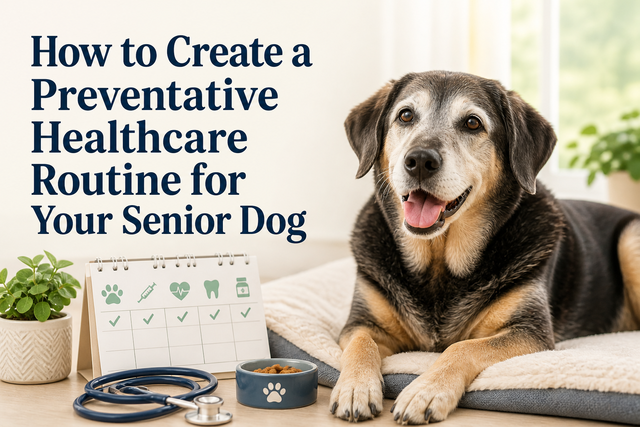
How to Create a Preventative Healthcare Routine for Your Senior Dog
When a pup reaches old age, it is not the same dog that you had when it was five. It is the same spirit, but its body is going through multiple changes at once – slower metabolism, arthritic joints, less efficient organs, and different brain chemistry. The idea of proactive care is not to stop these things from happening, but to alter the rate at which they happen, so that you can spend more time with your dog in its elderly years happy and able, and less time in and out of the hospital.
Table of Content
Move To Twice-Yearly Vet Visits
Many owners assume that senior dogs slow down. After all, dogs age faster than us. But dogs are also stoic; their survival instinct drives them to mask signs of weakness. They can be in pain for months or years before they show symptoms.
An ache in their shoulders may alter their gait so slightly that only another dog would notice. But the change can lead to other problems as other muscles compensate for the hitch in their step. It’s a vicious circle. If you live with a dog long enough you grow accustomed to these changes, blame aging, and rationalize that it’s too late for such expensive intervention anyway.
It isn’t. Most dogs over the age of eight have some form of degenerative joint disease and while it can’t be cured, it can be managed if caught early. That means keeping them comfortably mobile with regular, appropriate exercise; medication, supplementation or physical therapy when needed; and maintaining a healthy weight to reduce joint stress. Early detection, again, relies on more frequent vet visits.
Oral Health Is Organ Health
By age three, 80% of dogs display signs of active periodontal disease (American Veterinary Dental College). By their senior years, what started as gingivitis may have developed into a much more severe condition. And it’s not just about the teeth.
Oral bacteria from advanced periodontal disease makes its way into the bloodstream and adds to systemic inflammation, which is directly, scientifically linked to heart, kidney, and liver damage. This is the part people don’t find out about until it’s time to pay through the nose for treatment.
When all is said and done, tooth brushing every day is still the best defense in any home-care program. Dental chews and water additives are good, but they are adjuncts to brushing. Ideally, the disease is kept at bay until such stage as professional cleaning is the only solution, rather than to make professional cleaning obsolete. For any dog owners in Western Australia, a dog dentist perth visit for a proper dental check-up is a good first step to establishing where your senior dog currently stands
Modify The Home Before Problems Force You To
Osteoarthritis is a slow progress condition, by the time you notice the first symptoms (like your dog is starting to refuse the stairs or having troubles to stand up) irreparable joint damage has already been done over months.
Making environmental adjustments are low cost and immediate. Non-slip rugs over unyielding floors decrease the micro-energy arthritic joints spend on stabilizing each step. Orthopedic bedding diminishes joint stress during rest. Raised feeding stations imply a dog doesn’t need to drop its neck and shoulders to eat. These are not unnecessary items – these are friction decrease for a body that’s already working harder than it looks.
Low-impact training stops muscle loss. Swimming, short slow walks on soft ground, controlled movement on grass, maintain strength without stressing injured joints. Muscle supports joints. A dog that loses muscle due to idleness will experience faster mobility reduction, not slower.
Nutrition Does More Than You Think
Older dogs need specific nutrients compared to adults. Metabolism slows down, so the amount of food that kept them in shape at four can make them chubby at ten. And, counterintuitively, often their protein requirements actually rise in order to minimize muscle wasting.
Not all protein is created equal. Check the label and not the “senior formula” branding. Omega-3 fats, usually in the form of fish oil, are good for both the joints and the brain, which is a nice double-whammy. Giving additional fish oil is one of the easier things you can do as an owner that will give you fairly consistent returns.
They don’t run around as much, so they don’t need as much fuel. But it’s easy to keep hitting the bowl at the same time every day. Then you end up with fat dogs whose arthritis is killing them.
Keep The Brain Active
Cognitive Dysfunction Syndrome affects a significant percentage of dogs over ten. It presents as disorientation, changed sleep patterns, reduced interaction, and house soiling. There’s no reversal, but there’s evidence that mental stimulation slows onset.
Nose work games, where dogs use scent to find hidden treats, engage neural pathways without physical strain. Puzzle feeders slow eating and require cognitive engagement. Short training sessions – even just asking for a “sit” or “wait” – maintain communication between dog and owner while keeping the brain active.
The routines that protect a senior dog’s quality of life aren’t complicated. They’re consistent. Small daily habits compound over months and years into a meaningful difference in how your dog ages – and how much you’re managing at the vet when things finally do go wrong.