How Falls and Car Accidents Lead to Tailbone Injuries
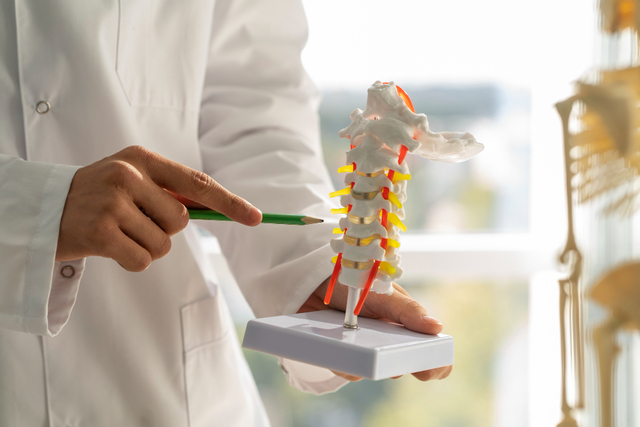
Tailbone injuries are common after serious falls and motor vehicle accidents in the United States. The tailbone, medically known as the coccyx, supports body weight while sitting and helps stabilize posture and movement. When strong force impacts the lower spine, victims may experience severe pain, bruising, and long-term mobility limitations.
Falls and car accidents are among the leading causes of coccyx injuries because they place sudden pressure on the lower spinal region. Slip and fall accidents, workplace incidents, sports injuries, and rear-end collisions frequently result in tailbone trauma requiring medical treatment. In severe cases, victims may suffer fractures, nerve irritation, or chronic pain conditions.
Many individuals ignore early pain symptoms after an accident, assuming the injury is minor or temporary. Persistent discomfort while sitting, swelling, numbness, and lower back pain may indicate serious spinal trauma requiring medical evaluation. Recognizing broken tailbone symptoms early can help prevent complications and support proper treatment.
Table of Content
How Falls Commonly Cause Tailbone Injuries
Falls are one of the most common causes of tailbone injuries in the United States, especially among older adults and workers in hazardous environments. Slipping on wet floors, falling down stairs, or losing balance on uneven surfaces can force individuals to land directly on the coccyx. The sudden impact often creates significant pressure on the lower spine.
Premises liability accidents frequently involve dangerous property conditions that increase the risk of falls and spinal injuries. Unsafe staircases, loose carpeting, icy walkways, and poor lighting may create hazards for visitors and employees. Under California Civil Code § 1714, property owners may be held responsible for injuries caused by their failure to exercise reasonable care.
The severity of a tailbone injury depends on factors such as the height of the fall and the type of surface involved. Hard surfaces like concrete or tile floors generally create more severe injuries than softer surfaces. Some victims may also suffer hip injuries, pelvic fractures, or lower back damage during the fall.
Car Accidents and Tailbone Trauma
Motor vehicle accidents are another major cause of coccyx injuries because collisions generate sudden force throughout the spine and lower body. Rear-end accidents, rollover crashes, and side-impact collisions can force occupants into awkward positions during impact. Even relatively low-speed accidents may result in painful tailbone injuries.
Seatbelt pressure and seat positioning sometimes contribute to lower spinal stress during collisions. Victims may suffer bruising, fractures, or dislocations when the lower body absorbs impact force during a crash. Symptoms often worsen hours or days later because inflammation develops gradually after the accident.
Negligent driving behaviors frequently contribute to these collisions and resulting spinal injuries. Reckless driving that demonstrates disregard for public safety may establish negligence in personal injury claims. Evidence such as crash reports, surveillance footage, and witness testimony is commonly used to determine liability.
Diagnosing Tailbone Injuries After an Accident
Doctors generally begin diagnosing tailbone injuries by reviewing symptoms and physically examining the injured area. Physicians evaluate bruising, tenderness, swelling, and mobility limitations affecting the lower spinal region. Imaging tests are frequently necessary to confirm fractures or identify additional complications.
X-rays are commonly used to identify broken or displaced coccyx bones after serious falls or vehicle collisions. In more severe cases, MRI scans or CT imaging may help evaluate soft tissue injuries, nerve involvement, or spinal damage. Accurate diagnosis is essential for creating an effective treatment plan.
Final Key Takeaways
- Falls and motor vehicle accidents are leading causes of tailbone injuries in the United States.
- Tailbone trauma may involve bruising, fractures, nerve irritation, or chronic pain conditions.
- Broken tailbone symptoms may include pain while sitting, swelling, numbness, and mobility problems.
- California Civil Code § 1714 may apply when unsafe property conditions contribute to falls.
- Texas Transportation Code § 545.401 may support negligence claims involving reckless driving accidents.
- X-rays, MRIs, and CT scans are commonly used to diagnose coccyx injuries.
- Victims may recover compensation for medical bills, lost wages, and rehabilitation expenses.