
Preventive Maintenance Habits That Extend the Lifespan of Your Vehicle
A car usually doesn’t go from “everything is fine” to “this is going to cost a fortune” in one day. There are normally signs. The engine starts sounding a little rough. The brakes feel different. One tyre keeps losing air. There’s a weird noise when going over a bump. Maybe there’s a smell that wasn’t there before. And because the car is still running, it’s tempting to ignore it.That’s exactly how small maintenance issues turn into expensive repairs.
Regular maintenance doesn’t mean taking the car to a workshop every other week. It mostly means keeping an eye on the things that wear out and dealing with them before they become a bigger problem.
Start With the Engine
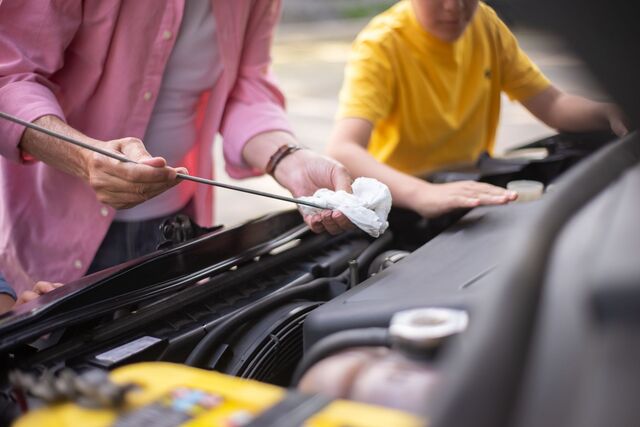
Oil changes are the obvious place to start, but there’s no single rule that works for every car. Some older advice says every 3,000 miles. Plenty of newer vehicles have much longer intervals, especially when synthetic oil is recommended. The owner’s manual is the better source here.
Driving conditions matter too. A car that spends most of its life stuck in traffic or doing short trips can have different maintenance needs from one that spends hours on the highway. Don’t forget the other fluids either. Coolant, brake fluid, transmission fluid and washer fluid all have a place on the regular maintenance list. A quick check once in a while takes very little time.
Filters are another easy one to forget. An old engine air filter can restrict airflow, while a dirty cabin filter can make the air inside the car feel pretty unpleasant. All of these car maintenance jobs are cheaper than fixing a problem that could’ve been avoided.
Give the Tires a Quick Look
Tires don’t need a complicated inspection every morning. But checking them once a month is a good habit. Look at the pressure, especially when the tyres are cold. NHTSA recommends checking tyre pressure at least monthly. Then actually look at the tyres. Is the tread wearing unevenly? Is there a crack in the sidewall? Does one tyre look noticeably lower than the others? These little things can tell a bigger story. Uneven wear, for example, can be connected to alignment or suspension issues. A tyre that keeps losing pressure could’ve a slow puncture or a valve problem.
Brakes are similar. A little squeaking isn’t necessarily a disaster, but grinding definitely shouldn’t be ignored. Neither should be shaking when braking or a pedal that suddenly feels soft. Brake pads are wear items. Eventually they need replacing. Waiting until they’re completely worn out can turn a routine replacement into a much more expensive repair.
Have a Look Under the Car Too
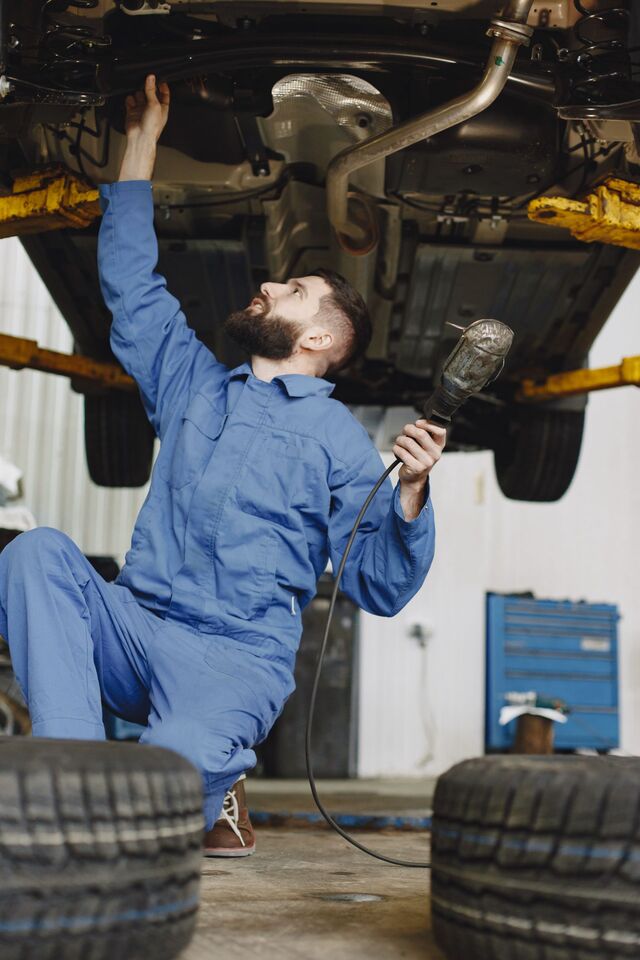
Most people don’t think much about what’s happening underneath the vehicle. Fair enough. It’s not exactly the easiest place to inspect. But this area takes a lot of punishment. Water, mud, dirt, stones, road salt and heat are all working against exposed components. The exhaust system gets particularly hot and is also exposed to moisture and road debris. During a regular service, ask for the underside and exhaust to be checked. Look for obvious rust, cracks, loose hangers and anything that looks out of place.
Material choice becomes important when replacing or fabricating certain parts as well. For applications where corrosion is a concern, a stainless steel tube can be a practical option for things such as exhaust work, custom fabrication and other automotive components. It isn’t a case of “stainless steel is always better.” The part still has to handle the right amount of heat, stress and load. The correct material depends on what the component actually needs to do.
Don’t Wait Until the Battery Dies
A dead battery is one of those problems that always seems to happen at the worst possible time. Usually, there are clues first. The engine takes slightly longer to start. The lights seem weaker. The car needs more effort to crank in the morning. Sometimes the battery is simply getting old. Sometimes there’s a problem with the alternator or another part of the charging system.
Check the battery terminals occasionally too. Corrosion around the connections can cause problems on its own. And if a new battery keeps dying, don’t just keep buying batteries. Something else may be draining it.
The Way the Car Is Driven Matters
A lot of vehicle wear comes down to driving habits. Constant hard acceleration isn’t doing the drivetrain any favours. Neither is slamming on the brakes at every traffic light. Smooth driving is generally easier on the car, and it can help with fuel consumption as well. The U.S. Department of Energy also recommends sensible driving and proper vehicle maintenance as ways to improve fuel economy.
There’s another habit that costs nothing. Listen to the car. If there’s suddenly a vibration, strange smell, new rattle or warning light, don’t automatically assume it will disappear. Sometimes it does. Sometimes it very much doesn’t. A strange noise today might be a minor repair. A strange noise ignored for six months can become something else entirely.
Use the Car’s Warning Systems
Modern vehicles are actually pretty good at telling drivers when something needs attention. There are service reminders, tire-pressure sensors, engine warning lights and diagnostic systems. Use them. But don’t rely on them for everything. A tyre-pressure monitoring system, for example, isn’t a replacement for checking tyre pressure manually. By the time the warning appears, the pressure may already be well below the recommended level.
Keeping a basic maintenance record is useful too. Nothing complicated. Just note when the oil was changed, when tyres were rotated, when the brakes were replaced, when the battery was changed and when major fluids were serviced. After a couple of years, that little record can save a lot of guessing.
Small Problems Are Usually Easier to Deal With
No maintenance routine can guarantee that a car will never break down. Things fail. Parts wear out. Tires get damaged. Batteries die. Electronics can be unpredictable. The point of preventive maintenance isn’t to eliminate every possible repair. It’s to avoid the repairs that happen because an obvious problem was left alone for too long.
A few minutes checking tyre pressure. Getting that strange exhaust noise looked at. Changing the oil when it’s actually due. Checking the battery before winter. Not complicated. And usually a lot cheaper than waiting until the car decides it has had enough.