
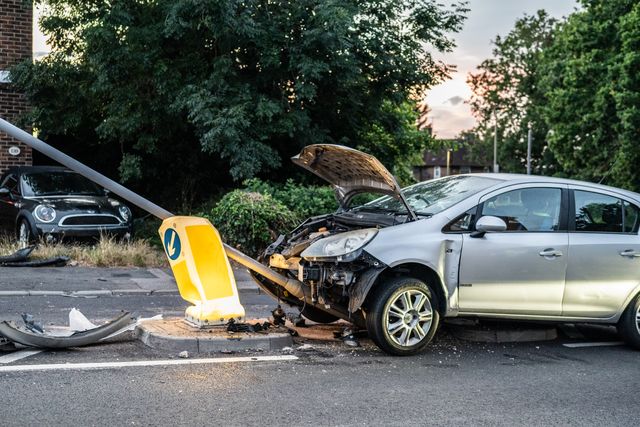
The Hidden Parties You May Be Able to Sue After a Car Accident
Most car accident claims focus on the other driver, but they are not always the only party responsible. Depending on the facts, employers, vehicle manufacturers, government agencies, or even repair shops may also be legally liable if their actions contributed to the crash.
Liability often depends on who had control over the vehicle, the road, or the conditions that led to the collision. State laws and evidence gathered early can make a major difference when identifying every responsible party after a car accident. Looking beyond the obvious can help you recover the full compensation you may be entitled to.
This article will help you get to know the hidden parties that you may be able to sue after a car accident.
The other driver may have caused the crash, but they may not be the only one who owes you compensation. U.S. law allows injured people to pursue claims against anyone whose negligence contributed to the accident.
In many states, comparative negligence rules also let fault be divided among multiple parties.
1. An Employer
If the at-fault driver was working when the crash happened, their employer may also be responsible. Under the legal doctrine of respondeat superior, employers can be liable for an employee’s negligent acts performed within the scope of employment.
Many states recognize this rule through case law, while the Restatement (Third) of Agency § 7.07 also reflects this long-standing principle.
Examples include:
- Delivery drivers
- Utility workers
- Company sales representatives
- Commercial truck drivers
2. Vehicle Manufacturer
A defective vehicle or faulty part can turn a minor mistake into a serious collision. Defective brakes, airbags, steering systems, or tires may create a product liability claim.
Federal safety standards under 49 U.S.C. Chapter 301 require manufacturers to meet motor vehicle safety requirements and issue recalls for safety-related defects. If a defective product caused or worsened your injuries, the manufacturer or parts supplier could share liability.
3. Government Agency
Poor road design or neglected maintenance can contribute to crashes. Large potholes, broken traffic signals, missing guardrails, or blocked signs are common examples.
State or local agencies may be liable when they fail to maintain reasonably safe roads. Claims against government entities usually follow special notice rules and shorter filing deadlines under state tort claims laws. Waiting too long can prevent you from recovering damages.
4. Repair Shop or Maintenance Company
A mechanic who installs the wrong part or performs careless repairs may also bear responsibility. If loose brakes, improperly mounted tires, or steering failures lead to a crash, the repair shop’s negligence may become part of your claim.
The National Highway Traffic Safety Administration (NHTSA) reports that vehicle defects and maintenance issues continue to contribute to thousands of crashes each year. Identifying whether a repair error played a role often requires a detailed inspection of the vehicle.
Why Legal Guidance Matters
Identifying every potentially liable party after a car accident often requires a detailed investigation and a thorough understanding of the law. An experienced car accident attorney can gather evidence, determine who may share responsibility, and help pursue compensation from all available sources, ensuring no viable claim is overlooked.
Key Takeaways
- The at-fault driver is not always the only person or business you can sue.
- Employers may share liability if an employee caused the crash while working.
- Vehicle manufacturers can be responsible for defective parts or unsafe designs.
- Government agencies may be liable for dangerous road conditions, subject to state notice deadlines.
- Repair shops can face claims if negligent work contributed to the collision.
- Identifying every liable party can increase the compensation available for your injuries and losses.
- Early evidence and a thorough investigation help uncover hidden sources of liability before legal deadlines expire.