
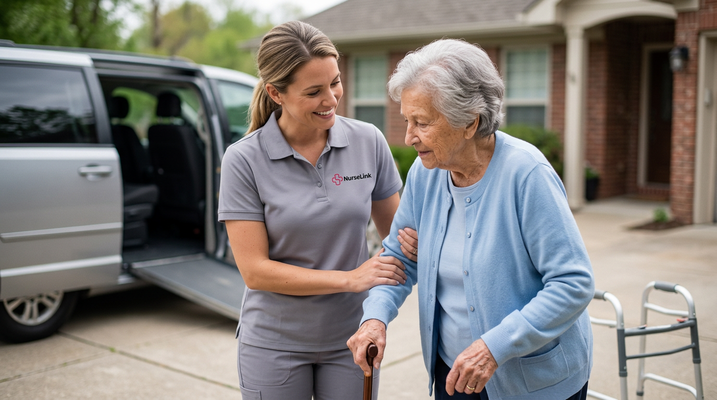
Benefits Of Door-to-Door Medical Transport For Seniors
Door-to-door medical transport is a specialised service that collects patients from their home, supports them throughout the journey, and delivers them safely to their appointment. This is quite different from a regular taxi or rideshare, which simply drops you at the kerb. With Australia’s population over 65 projected to grow steadily over the coming decade, demand for tailored, non-emergency medical transportation service options is rising fast. This post unpacks the real, practical benefits for seniors, their families, and the care teams supporting them.
Table of Content
Why Transportation Is A Growing Concern For Seniors?
A significant share of older Australians no longer drive or live with mobility limitations that make public transport difficult, and this gap directly affects their access to healthcare.
- Many seniors using mobility aids, managing chronic conditions, or experiencing early cognitive decline find buses and trains genuinely unsafe.
- Missed appointments are closely linked to deteriorating health outcomes, including delayed diagnoses and avoidable hospital stays.
- Family members rarely manage every trip, especially when balancing work, distance, or carer fatigue.
- The problem becomes more pronounced in regional and outer-suburban areas, where transport options are already thin.
The Hidden Challenges Of Getting To Medical Appointments
Getting to an appointment sounds simple until you factor in everything a senior must manage. Physical barriers alone can be overwhelming, from stepping into a high vehicle to manoeuvring a wheelchair, walker, or portable oxygen unit.
Beyond the physical, there are quieter struggles that often go unnoticed by everyone except the person experiencing them.
- Unfamiliar environments, route confusion, and fear of falling can trigger anxiety long before the appointment begins.
- Multiple transfers, long wait times, and rigid scheduling add logistical strain.
- The cost of private taxis, paired with limited awareness of funded options, creates financial pressure.
- Many seniors quietly stop seeking care rather than ask for help, which gradually erodes their wellbeing.
How Door-to-Door Medical Transport Improves Daily Life
Reliable medical patient transportation services begin right at the front door. There is no walking to a stop, no waiting in the cold, and no uncertainty about timing. Trained staff understand how to handle mobility aids, communicate clearly with clients, and respond to medical needs along the way.
Vehicles are equipped to safely carry wheelchairs, stretchers, and higher-acuity passengers. The service covers far more than hospital runs, supporting GP visits, specialist consultations, dialysis, allied health appointments, and trips to aged care facilities. This consistency reduces stress for the senior and removes the constant pressure on family members to coordinate every single ride.
Supporting Senior Independence Without Compromising Safety
Independence and safety are not opposites; the right transport service allows both to coexist.
- Dependable transport enables seniors to remain in their own homes for longer.
- Keeping control over their healthcare schedule supports psychological wellbeing.
- Trained staff assist without overstepping, preserving dignity and autonomy.
- Nurses or trained transport officers provide clinical oversight for higher-acuity clients.
- Predictable routines are especially helpful for seniors living with dementia or cognitive change, and they fit naturally into broader aged care and home support goals.
Peace Of Mind For Families & Caregivers
For family carers, the worry of a loved one travelling alone can weigh heavily on everyday life. Knowing a trained professional is managing pickup, the journey, and a safe drop-off lifts a noticeable amount of stress.
Real-time updates, accountable communication, and familiar drivers create a sense of trust that quietly reduces carer burnout. Families can also coordinate transport alongside other home care or NDIS supports, making the wider care plan feel more cohesive and easier to manage.
Why Reliable Medical Transport Is Part of Quality Care
Transport is a clinical continuity issue, not simply a convenience. When appointments are missed, diagnoses get delayed, medications slip, and preventable hospital admissions become far more likely.
For chronic conditions such as diabetes, heart disease, and cancer follow-up care, dependable transport is genuinely part of the treatment plan. Providers like NurseLink Healthcare integrate transport into a wider care ecosystem, and families can explore funding through Home Care Packages, NDIS transport support, DVA entitlements, or private arrangements. When choosing a provider, look for trained staff, suitable vehicles, clinical oversight, reliability, and transparent pricing.
Final Thoughts
Door-to-door medical transport is not a luxury; it is a fundamental part of safe, dignified senior care. For families unsure where to start, exploring trusted transport and mobility support options is a meaningful first step, and services like NurseLink Healthcare are a good place to begin that conversation. The goal is simple: better health outcomes and a better quality of life for older Australians.